What is a Transformer Based UPS?
In an era where reliable power is essential for everything from data centers to industrial operations, understanding uninterruptible power supplies (UPS) is key. A Transformer Based UPS is a type of UPS system that incorporates a transformer as a core component to provide stable and isolated power protection. To our full UPS product catalog. This article explains what a Transformer Based UPS is, its working principles, advantages, disadvantages, comparisons with transformerless designs, and typical applications to help you make informed decisions.
Definition of Transformer Based UPS
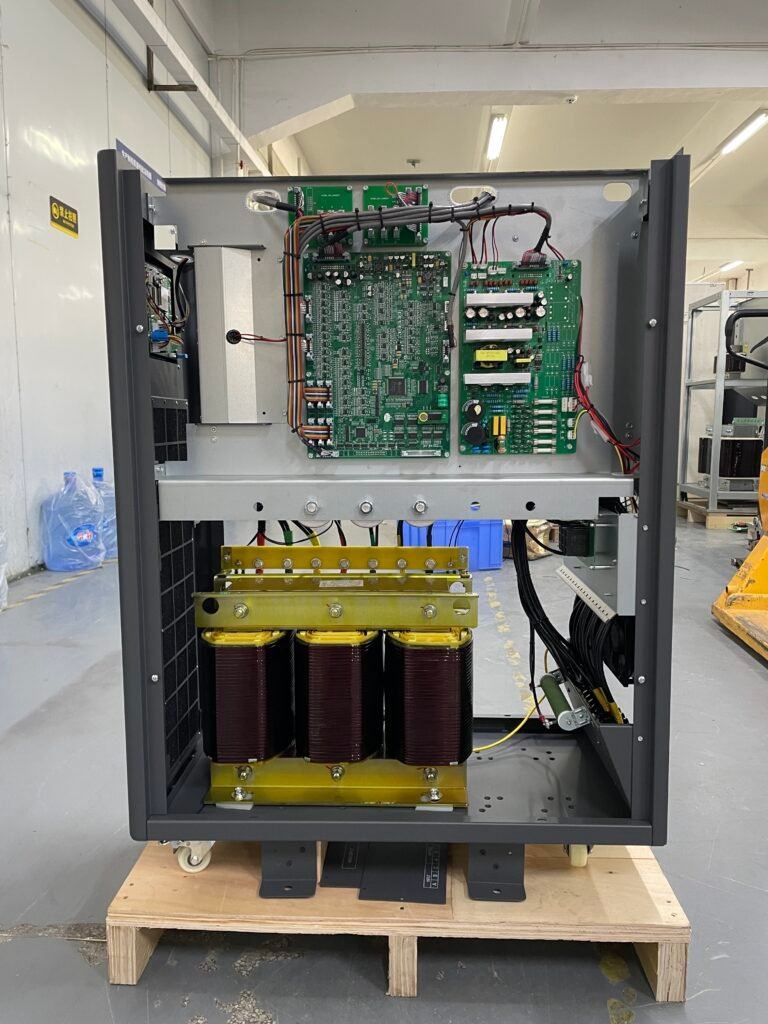
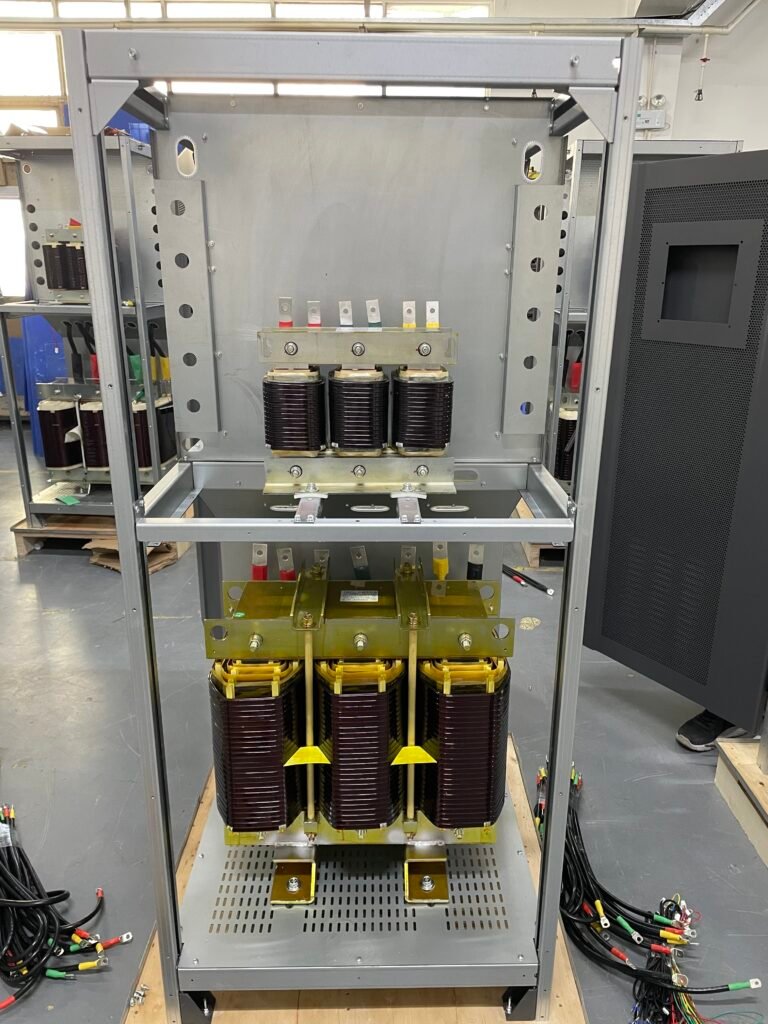
What is a Transformer Based UPS, also known as a transformer-integrated UPS, uses a transformer to isolate and regulate electrical power. The transformer acts as a barrier between the input power source and the output load, preventing disturbances like surges, spikes, and noise from affecting connected equipment. To Wikipedia on electrical transformers for foundational concepts. This design contrasts with transformerless UPS, which rely on electronic components for similar functions but without the physical isolation provided by a transformer. Transformer Based UPS are often preferred in environments requiring high robustness and electrical separation. To our glossary on UPS types.
Working Principle of Transformer Based UPS
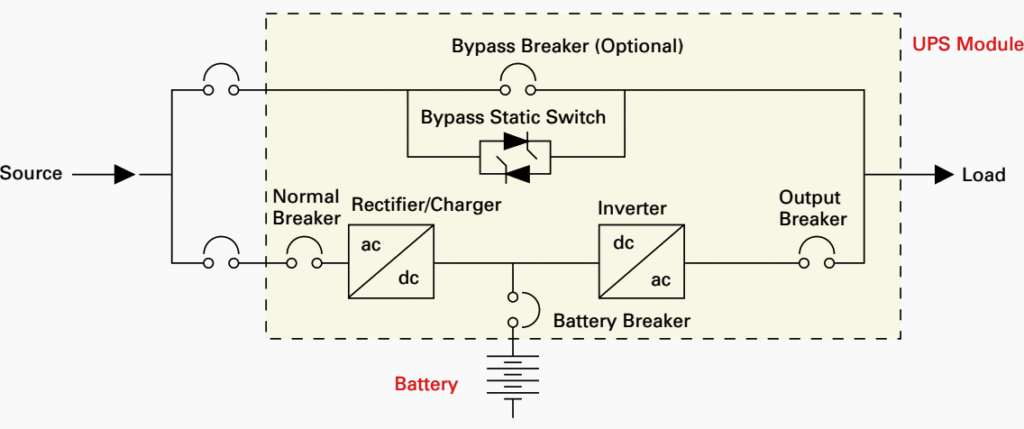
The operation of a Transformer Based UPS typically follows a double-conversion or online architecture:
- Input Stage: Incoming AC power is fed through the transformer, which provides isolation and voltage adjustment before being rectified to DC.
- Rectification and Charging: The DC power charges the battery bank while also supplying the inverter.
- Inversion: The inverter converts DC back to clean AC output for the load.
- Backup Operation: During outages, the system switches to battery power seamlessly, maintaining isolation via the transformer.
This process ensures continuous, high-quality power with minimal transfer time, often under 4ms, and protects against input earth issues or separate earthing arrangements. To IEEE standards on UPS systems for technical details.
Advantages of Transformer Based UPS
Transformer Based UPS offer several benefits:
- Enhanced Stability and Reliability: They provide superior overload capacity, impact resistance, and protection from power surges, spikes, and noise.
- Electrical Isolation: Acts as a mechanism to handle inrush currents from mechanical equipment and high-tax loads. To case studies on UPS reliability in industrial settings.
- Robust Design: Fewer failure points in harsh environments, with the ability to derive output voltage via isolation transformers.
- High Power Handling: Suitable for configurations requiring separate power supplies or earthing. To Schneider Electric’s UPS resources for industry insights.
These advantages make them ideal for demanding applications.
Disadvantages of Transformer Based UPS
Despite their strengths, Transformer Based UPS have drawbacks:
- Lower Efficiency: Generally less efficient (around 90-95%) compared to transformerless models, leading to higher energy costs.
- Larger Size and Weight: The transformer increases bulk and weight, making installation more challenging.
- Higher Costs: More expensive to manufacture and maintain due to the transformer’s inclusion.
- Heat Generation: Produces more heat, requiring additional cooling.
These factors may shift preferences toward transformerless designs in efficiency-focused scenarios.
Comparison with Transformerless UPS
Transformerless UPS omit the transformer for a more compact and efficient approach. Here’s a quick comparison:
| Aspect | Transformer Based UPS | Transformerless UPS |
|---|---|---|
| Isolation | Strong physical isolation | Electronic-based, less robust |
| Efficiency | Lower (90-95%) | Higher (up to 98%) |
| Size/Weight | Larger and heavier | Smaller and lighter |
| Reliability | Higher in industrial settings | Good for general use |
| Cost | Higher | Lower |
| Applications | High-load, noise-prone | Data centers, cost-sensitive |
Transformer Based UPS excel in protection and durability, while transformerless prioritize efficiency and compactness.
Application Scenarios for Transformer Based UPS
These systems are commonly used in:
- Industrial Environments: Handling high-tax loads and inrush currents from machinery.
- Data Centers: Providing isolation against power disturbances to prevent downtime. To our data center solutions page.
- Healthcare and Critical Facilities: Ensuring stable power for sensitive equipment.
- Telecom and High-Power Setups: Where separate earthing or robust protection is needed. To Eaton’s UPS case studies for practical examples.
Conclusion
What is a Transformer Based UPS? It’s a reliable power solution that leverages transformers for isolation and stability, making it essential for critical applications despite some efficiency trade-offs. As power needs evolve, understanding these systems helps in selecting the right UPS. For tailored advice, reach out to experts. To our contact form for consultations.