
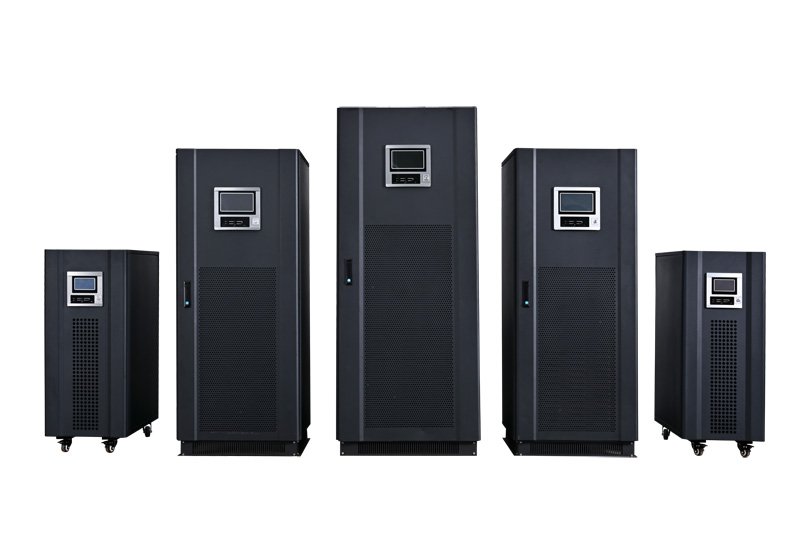
Transformer-Based UPS: Ideal Applications for Devices and Industries
In today’s power-dependent world, unexpected outages or voltage fluctuations can disrupt operations and damage equipment. A transformer-based UPS (Uninterruptible Power Supply) provides reliable backup power and isolation through its built-in transformer, ensuring clean, stable electricity. Unlike transformerless models, these systems offer superior protection against surges, noise, and harmonics. This guide explores what makes transformer-based UPS systems stand out and identifies the best devices and industries for their use, helping you choose the right solution for uninterrupted performance.
What Is a Transformer-Based UPS?
A transformer-based UPS, also known as an online or double-conversion UPS with isolation transformer, converts incoming AC power to DC, stores it in batteries, and reconverts it to AC output. The integrated transformer provides galvanic isolation, shielding connected loads from electrical disturbances.
Key benefits include:
- High Reliability: Continuous power conditioning without switching delays.
- Noise Reduction: Filters out electromagnetic interference (EMI) and radio frequency interference (RFI).
- Surge Protection: Handles voltage spikes effectively.
- Longer Battery Life: Efficient power management extends runtime.
These features make transformer-based UPS ideal for environments where power quality is critical.
Devices Suitable for Transformer-Based UPS
Transformer-based UPS systems excel in protecting sensitive electronics that require clean power. Here are top devices:
- Servers and Data Storage: Prevents data corruption during outages, essential for IT infrastructure.
- Medical Equipment: Safeguards devices like MRI machines, ventilators, and monitors from fluctuations that could endanger lives.
- Laboratory Instruments: Ensures precision in analyzers, spectrometers, and testing gear where voltage stability is key.
- Telecommunication Devices: Keeps routers, switches, and PBX systems online, avoiding communication breakdowns.
- Audio/Video Equipment: Reduces noise for high-fidelity systems in studios or home theaters.
- Security Systems: Powers CCTV cameras, alarms, and access controls without interruption.
For these devices, the isolation transformer minimizes risks from poor grid power, making it a preferred choice over basic offline UPS.
Industries That Benefit from Transformer-Based UPS
Various sectors rely on transformer-based UPS for operational continuity and equipment protection:
- Healthcare: Hospitals and clinics use them for life-support systems, imaging equipment, and electronic health records to comply with stringent safety standards.
- Data Centers and IT: Cloud providers and enterprises protect servers from downtime, ensuring 99.999% uptime.
- Manufacturing and Industrial: Factories with CNC machines, PLCs, and automation lines avoid production halts due to power issues.
- Telecommunications: Network operators maintain signal integrity in base stations and control rooms.
- Financial Services: Banks and trading floors secure ATMs, servers, and transaction systems against blackouts.
- Broadcasting and Media: Studios prevent broadcast interruptions by stabilizing power for cameras and editing suites.
- Research and Laboratories: Scientific facilities protect sensitive experiments from electrical anomalies.
In these industries, the robust design of transformer-based UPS supports heavy loads and harsh conditions, outperforming lighter alternatives.
| Industry/Device | Key Benefits | Example Applications |
|---|---|---|
| Healthcare | Life-critical stability | MRI, ventilators |
| Data Centers | Zero-downtime assurance | Servers, storage arrays |
| Manufacturing | Surge and noise protection | CNC machines, robotics |
| Telecom | Continuous connectivity | Routers, switches |
| Finance | Secure transactions | ATMs, trading platforms |
Why Choose Transformer-Based UPS Over Alternatives?
Compared to transformerless UPS, these systems provide better isolation and durability, though they may be bulkier and more expensive. They’re worth the investment for high-stakes applications where power quality directly impacts safety, productivity, or revenue.
Conclusion
Transformer-based UPS systems are a powerhouse for protecting critical devices and powering key industries. By delivering isolated, clean energy, they minimize risks from power instabilities. If your setup involves sensitive equipment or operates in demanding sectors, consider integrating a transformer-based UPS for peace of mind and efficiency. Stay ahead of power challenges—evaluate your needs today.